
When we think of a hip replacement, we often focus on the joint itself—the “ball and socket” that has worn down over time. It is easy to view the surgery as a sudden fix for a localized problem. However, the path to a hip replacement rarely starts in the joint. More often, it begins with a lifetime of subtle, unnoticed structural and muscular imbalances.
At More Life Pilates in Orillia, we look at the body as a whole, interconnected system. If you are currently preparing for hip replacement surgery or navigating life with a new joint, understanding how muscle and bone misalignment impacts your hips is the key to a stronger, more fluid recovery. Here is how a life of imbalance leads to joint wear, and why classical Pilates is the ultimate tool for realigning your body.
Your hips are designed to be central powerhouses, safely distributing your weight and absorbing impact with every step. But your body is also an expert at compensating. If your pelvis is slightly tilted, your spine lacks support, or certain muscle groups are dominant while others stay dormant, your alignment shifts out of place.
Over years of walking, sitting, and exercising on an uneven foundation, this misalignment creates asymmetrical wear and tear.
| The Cycle of Joint Wear | What Happens in the Body |
| Imbalanced Pull | Dominant muscles tighten and pull the thigh bone off-centre within the hip socket. |
| Uneven Friction | Instead of gliding smoothly, the joint rubs unevenly against cartilage. |
| Accelerated Decay | Cartilage wears down prematurely on one side, leading to bone-on-bone friction and chronic pain. |
By the time a hip replacement becomes medically necessary, the joint damage is a symptom of a much larger, full-body structural imbalance. The surgery replaces the worn-out mechanical parts, but it does not automatically rewrite the faulty muscular habits that caused the breakdown in the first place.
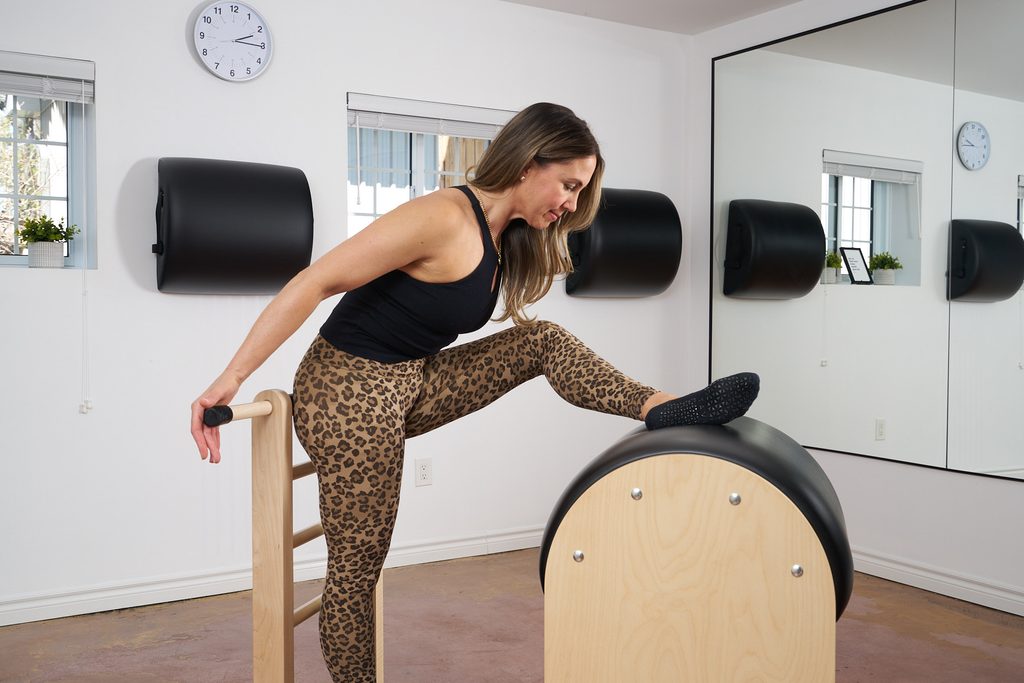
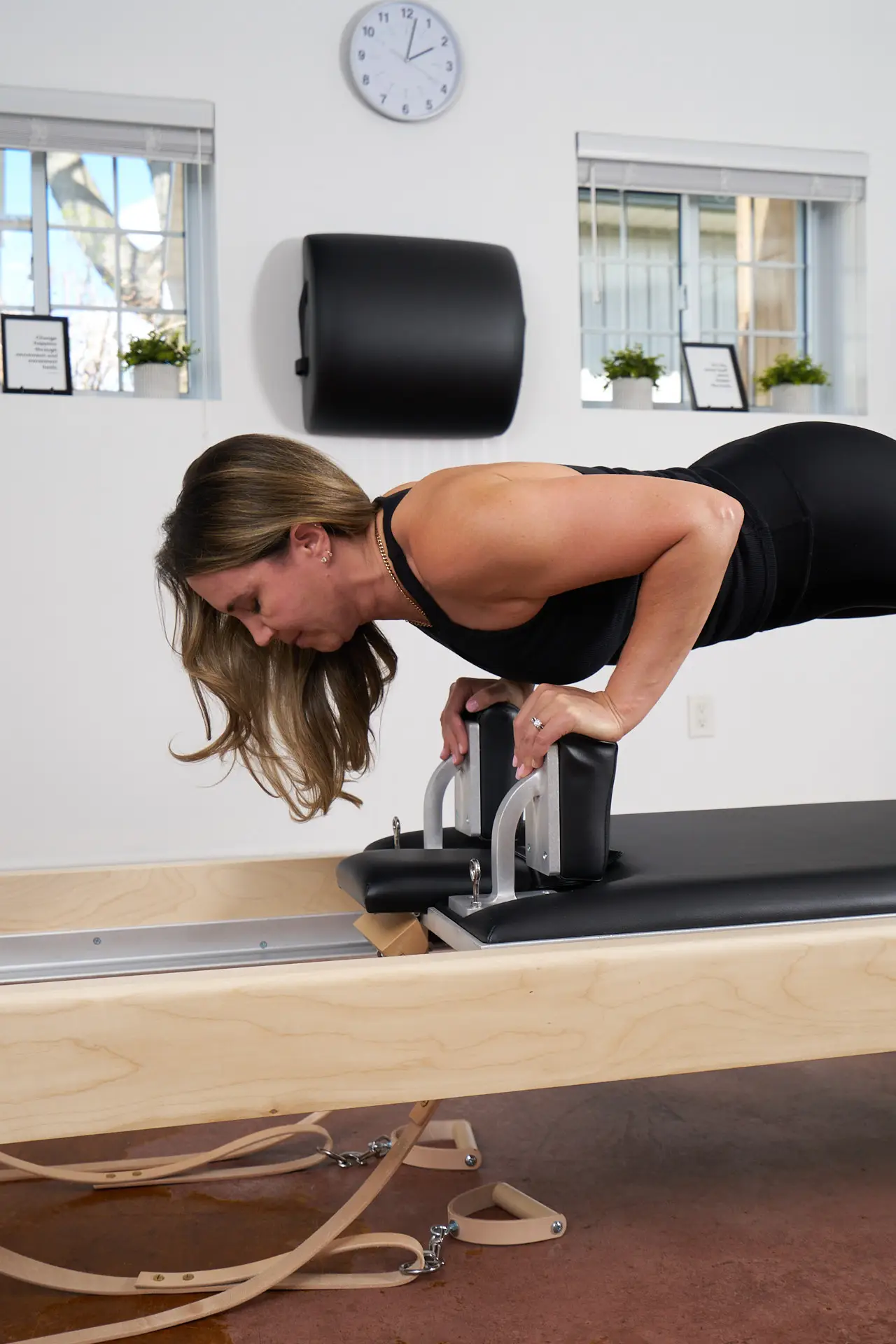
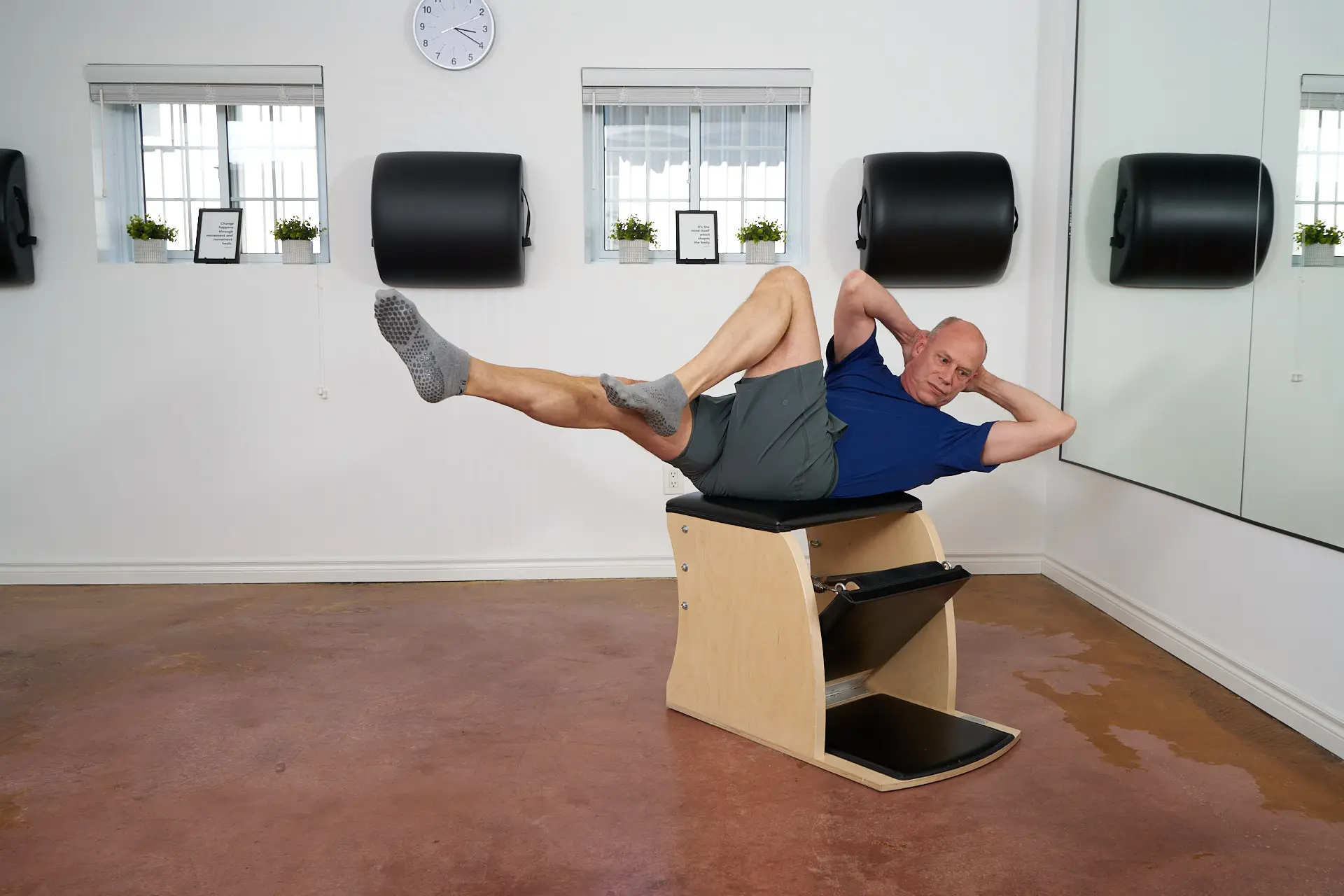
The classical Pilates method is uniquely suited to address hip issues because it never treats a joint in isolation. It focuses on uniform development, deep core stability, and precise structural symmetry.
Whether you are looking ahead to your surgery date or celebrating a successful operation, classical Pilates works directly with your alignment to transform your recovery.
[Deep Core Stability] ➔ [Pelvic Alignment] ➔ [Symmetrical Joint Gliding] ➔ [Reduced Wear]
The stronger, more balanced, and more aware your body is going into the operating room, the smoother your recovery will be on the other side.
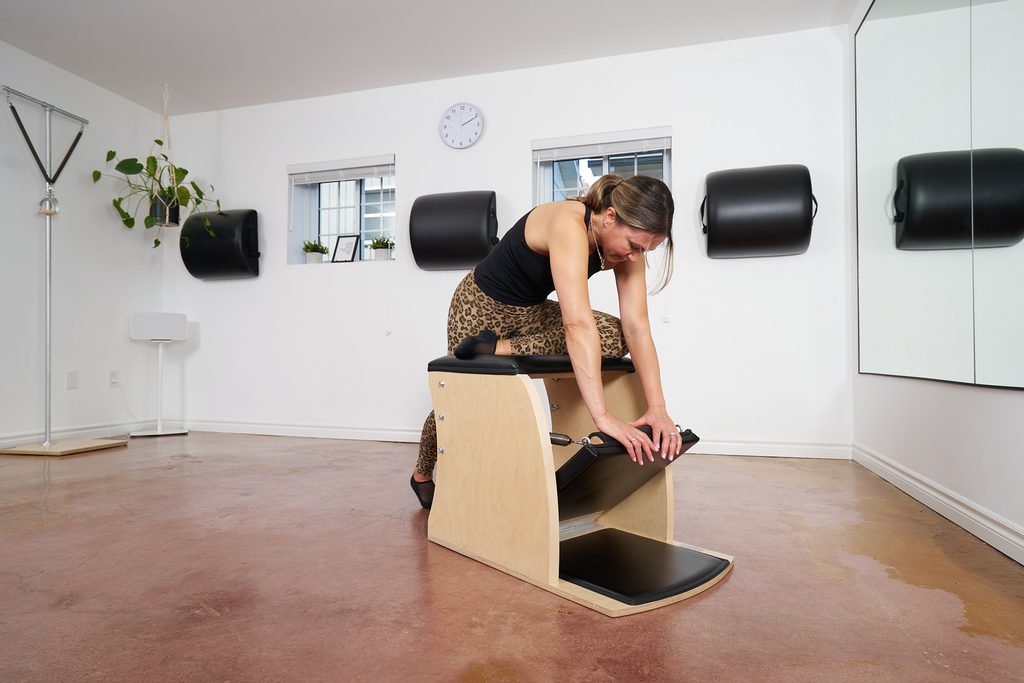
Once your surgeon has provided a pristine, brand-new hip joint, you have a blank canvas. However, your nervous system and your muscles still remember their old, misaligned habits. Without intervention, your body will naturally return to limping, favoring one side, or gripping with the wrong muscles.
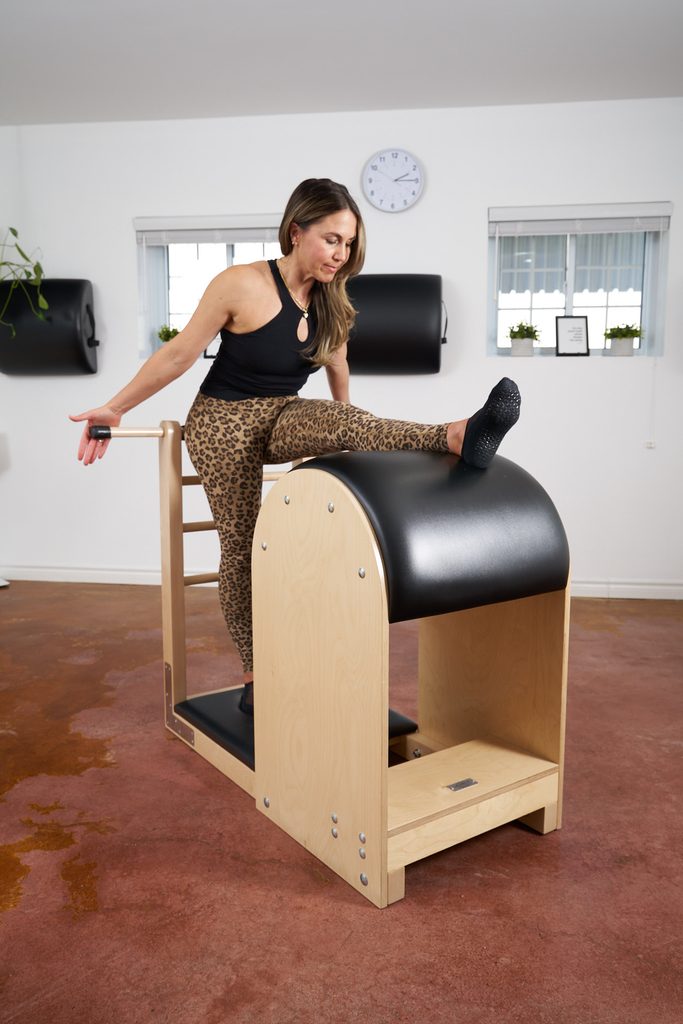
A hip replacement is an incredible opportunity for a fresh start, but the joint can only perform as well as the muscles moving it. By pairing your new joint with the timeless, structural wisdom of classical Pilates, you can break the cycle of misalignment for good.
Whether you want to build strength before your procedure or safely navigate your post-rehabilitation, we are here to support you. Let’s realign your body, protect your investment, and bring more life back into your movement.
If you are planning around an upcoming surgery or recovering from one, let me know:
We can tailor a specific pre-hab or post-op movement sequence or draft an email to help you communicate safely with your care team. Reach out and let’s get started on your realignment!